
NSC unveils nationwide sports infrastructure drive with Multi-Billion-Naira projects
Nigeria's sports infrastructure is set for a major transformation as the National Sports Commission (NSC) intensifies efforts to rehabilitate ageing facilities, develop new sporting centres and reposition sports as a significant contributor to the nation's economy.
From the redevelopment of the historic Mudashiru Lawal Stadium in Abeokuta to the construction of an Olympic-size swimming pool in Enugu and the comprehensive renovation of the Moshood Abiola National Stadium in Abuja, the Commission is pursuing one of the most extensive sports infrastructure interventions in recent years.
The programme reflects the commitment of the NSC leadership, under Chairman Mallam Shehu Dikko and Director General Hon. Bukola Olopade, to address longstanding infrastructure challenges that have hindered athlete development, affected Nigeria's international competitiveness and limited the country's ability to host major sporting events.
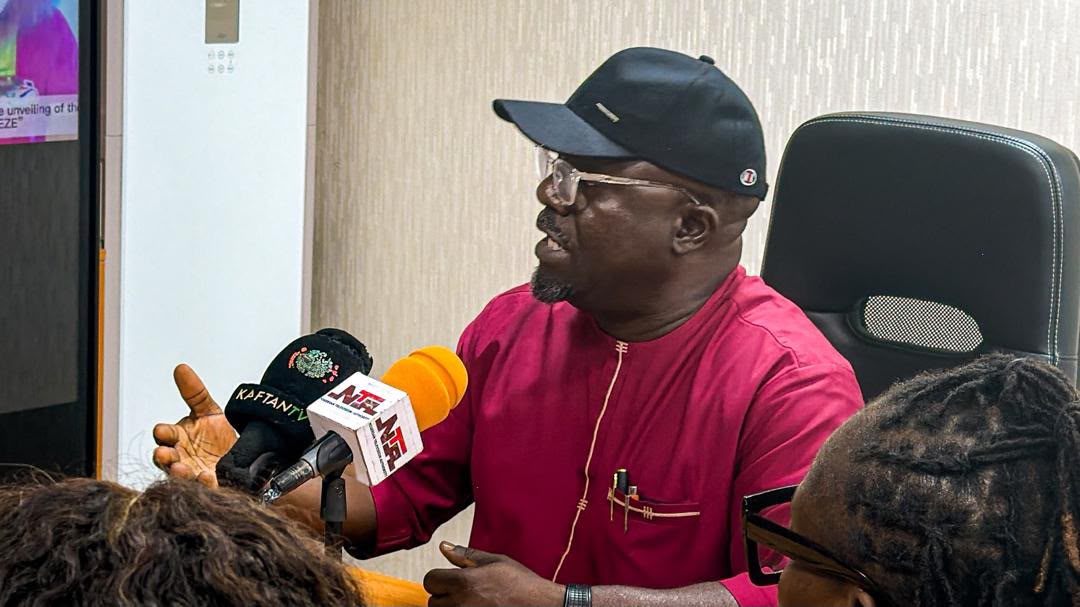
Speaking on the Commission's infrastructure agenda, Olopade acknowledged the scale of investments being made across the country, while observing that many Nigerians remained unaware of the ongoing projects.
One of the flagship interventions is the revitalisation of the Mudashiru Lawal Stadium in Abeokuta, Ogun State, at an estimated cost of ₦2.5 billion. The project is designed to restore the facility to modern sporting standards through the installation of new tartan tracks and rehabilitation of existing infrastructure.
Named after one of Nigeria's celebrated football legends, the stadium's redevelopment is expected to preserve the country's sporting heritage while providing a modern facility for emerging athletes.
In Enugu State, the Commission is supporting the development of a world-class Olympic-size swimming pool as part of a broader infrastructure intervention. The project, alongside improvements to the state's indoor sports hall and the rehabilitation of athletes' hostels, is expected to boost aquatic sports development and enhance Enugu's capacity to host major national and international competitions.
However, one of the most ambitious projects under the programme is the comprehensive redevelopment of the Moshood Abiola National Stadium in Abuja.
The stadium has faced years of criticism over the deteriorating condition of its playing surface and other critical facilities, with the poor state of the pitch limiting its use by Nigeria's national football teams.
The Federal Government has approved a complete overhaul of the main pitch and tartan tracks, as well as extensive improvements to the dressing rooms, media centre, VIP seating, corporate suites, public address systems, security infrastructure, climate-control systems and roof membrane.
The project will also include internationally compliant floodlighting, electronic advertising boards, Video Assistant Referee (VAR) technology and a protective pitch cover designed to allow the stadium to host concerts and other commercial events without damaging the playing surface.
Beyond the main stadium, approvals have been granted for a High Performance Centre, the conversion of the existing 200-bed athletes' hostel into a modern hotel open to the public, rehabilitation of the Package B swimming pool and construction of two additional training pitches.
The proposed High Performance Centre is expected to provide elite athletes with specialised facilities for preparation, sports science, performance monitoring and other support services required to compete at the highest international level.
The conversion of the athletes' hostel into a public-facing hotel will also introduce a commercial component to the stadium complex, creating opportunities for revenue generation and supporting the long-term maintenance of the facility.
The NSC's infrastructure vision, however, extends beyond major stadiums.
As part of efforts to strengthen grassroots sports development, approvals have been granted for sports centres in 15 tertiary institutions across the country's six geopolitical zones. Another 20 mini sports centres and mini stadiums are planned for communities nationwide to improve access to facilities, encourage youth participation and strengthen talent identification.
Other major projects include the ongoing redevelopment of Ahmadu Bello Stadium in Kaduna through a partnership with the Kaduna State Government, with completion expected in 2027.
The Commission is also collaborating with the National Assembly on the construction of the new Bichi Stadium in Kano State.
Meanwhile, plans are at an advanced stage for the redevelopment of the National Stadium in Lagos through government and private-sector investment, as well as the Obafemi Awolowo Stadium in Ibadan through a partnership between the NSC and the Oyo State Government.
Beyond construction and rehabilitation, the Commission's strategy places emphasis on making sports infrastructure sustainable, commercially viable and capable of delivering long-term economic benefits.
A key component of this approach is the National Sports Infrastructure Development Bond, approved by President Bola Ahmed Tinubu to establish a sustainable funding mechanism for the rehabilitation, redevelopment and maintenance of critical sports facilities across the country.
The initiative aligns with the Renewed Hope Initiative for Nigeria Sports Economy (RHINSE), through which the Federal Government is seeking to reposition sports beyond recreation and competition as a strategic driver of economic growth, youth empowerment, job creation and national development.
For Dikko and Olopade, the ambition goes beyond building and renovating stadiums. It is about creating a functional sports ecosystem in which modern facilities support talent discovery, elite performance, grassroots participation, sports tourism and private-sector investment.
Olopade stressed that the objective of the infrastructure programme is not limited to renewing existing facilities but also includes building an ecosystem that promotes athlete development, creates jobs and strengthens Nigeria's global competitiveness.
With projects spread across states, tertiary institutions and communities, the NSC's infrastructure drive represents a broader effort to ensure that Nigeria's sporting facilities reflect its considerable athletic potential and that investments translate into opportunities for athletes, young people, businesses and the wider economy.


