
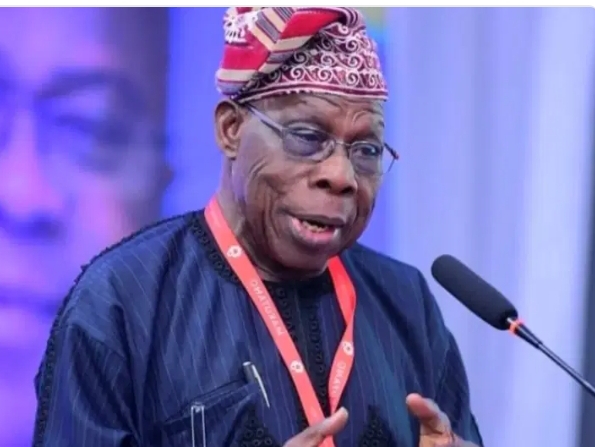
Obasanjo, Kukah, Sultan urge new approach to ending Boko Haram insurgency
ABUJA — Former President Olusegun Obasanjo, Bishop Matthew Hassan Kukah, and the Sultan of Sokoto, Alhaji Sa’ad Abubakar III, have called for fresh strategies to end the Boko Haram insurgency, emphasizing the need to address its root causes beyond military action.
Speaking in Abuja on Friday at the public presentation of “Scars: Nigeria’s Journey and the Boko Haram Conundrum,” a book authored by former Chief of Defence Staff, Gen. Lucky Irabor (retd.), Obasanjo said Nigeria must move past the conventional narratives surrounding the insurgency.
He recounted visiting Maiduguri in 2011 after the UN building bombing to engage directly with members of the sect. “I found they were not really aiming for anything political or seriously religious, but seeking a better life,” Obasanjo said, questioning why the crisis persists after 15 years. He urged authorities to adopt proactive and inclusive approaches, warning that terrorism, banditry, and kidnapping have become interlinked.
Bishop Kukah, in his remarks, said the insurgency symbolizes the nation’s collective scars, citing the unresolved cases of Leah Sharibu and the Chibok girls. He argued that the group’s ideology has been misunderstood, noting that their self-designation — Jama’at Ahl al-Sunna li al-Da’wa wa al-Jihad — indicates a deeper doctrinal conflict. He added that military might alone cannot end the war, as insurgents “fight to die while soldiers fight to live.”
Former National Security Adviser, Babagana Monguno, blamed poor governance and weak national cohesion for the prolonged insecurity. “You cannot address insecurity in the absence of national cohesion,” he said.
The Sultan of Sokoto, meanwhile, clarified that jihad means “to strive” and not violence. He maintained that the insurgents’ grievances stem from governance failures rather than opposition to education. “Many of them have been educated. Their grievance is rooted in bad governance; they want freedom and dignity,” he said.
The event concluded with a consensus among participants that Nigeria must embrace fresh thinking, inclusive governance, and social justice to permanently defeat the insurgency.


