
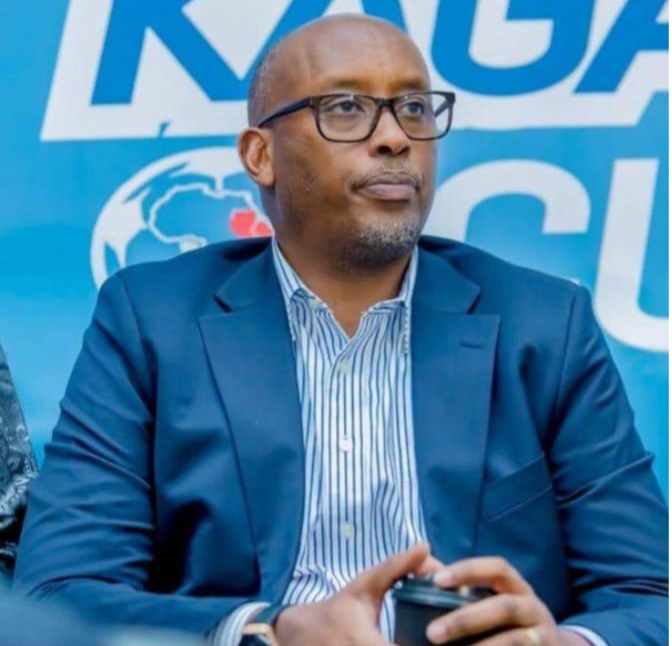
Rwanda FA President exit mirrors Nigeria's football leadership turbulence
Rwanda’s latest football leadership shake up has brought the issue of stability and accountability in African football governance into sharp focus, with Fabrice Shema Ngoga stepping down as president of the Rwanda Football Federation (FERWAFA) barely 13 months after taking office.
Shema announced his immediate resignation on September 29, citing an integrity matter connected to his personal conduct and saying his decision was aimed at protecting the credibility of FERWAFA and maintaining public confidence.
His departure came shortly after legal proceedings relating to his private business activities, which Rwandan authorities said were unrelated to his football responsibilities.
The development has inevitably drawn parallels with the situation in Nigeria, where the Nigerian Football Federation (NFF) experienced its own dramatic leadership upheaval in August.
Ibrahim Gusau, alongside General Secretary Mohammed Sanusi and members of the Executive Committee, resigned on August 27 amid intense scrutiny of Nigerian football.
Gusau said his departure was intended to create room for an orderly reform process to address institutional, governance and developmental challenges.
Unlike Rwanda, where the immediate issue surrounding Shema was linked to his personal legal circumstances, Nigeria's leadership crisis has been tied largely to broader concerns over football governance and the performance of the country's national teams.
FIFA subsequently became involved in consultations with Nigerian stakeholders over the next steps, including the possibility of a normalisation committee or allowing the existing NFF structure to oversee the reform process.
With Claudine Gasarabwe already performing leadership duties at FERWAFA, Rwanda now faces another transition less than two years into its previous administration.
For Nigeria, the parallel offers another reminder that changes at the top of a football federation can quickly become much bigger than the individual office holder, placing the focus on how smoothly the sport's institutions can navigate periods of uncertainty and restore confidence among stakeholders.


