
U.S Senate hearing raises concerns over Sahel security and alleged external links
Recent deliberations at a U.S. Senate subcommittee hearing on “U.S. Counterterrorism Approach in Africa” have brought renewed scrutiny to the evolving security dynamics in the Sahel and North Africa. Central to the discussion were allegations linking the Polisario Front to networks associated with Iran’s regional influence—a claim that, while not new, appears to be gaining sharper attention within Washington policy circles.
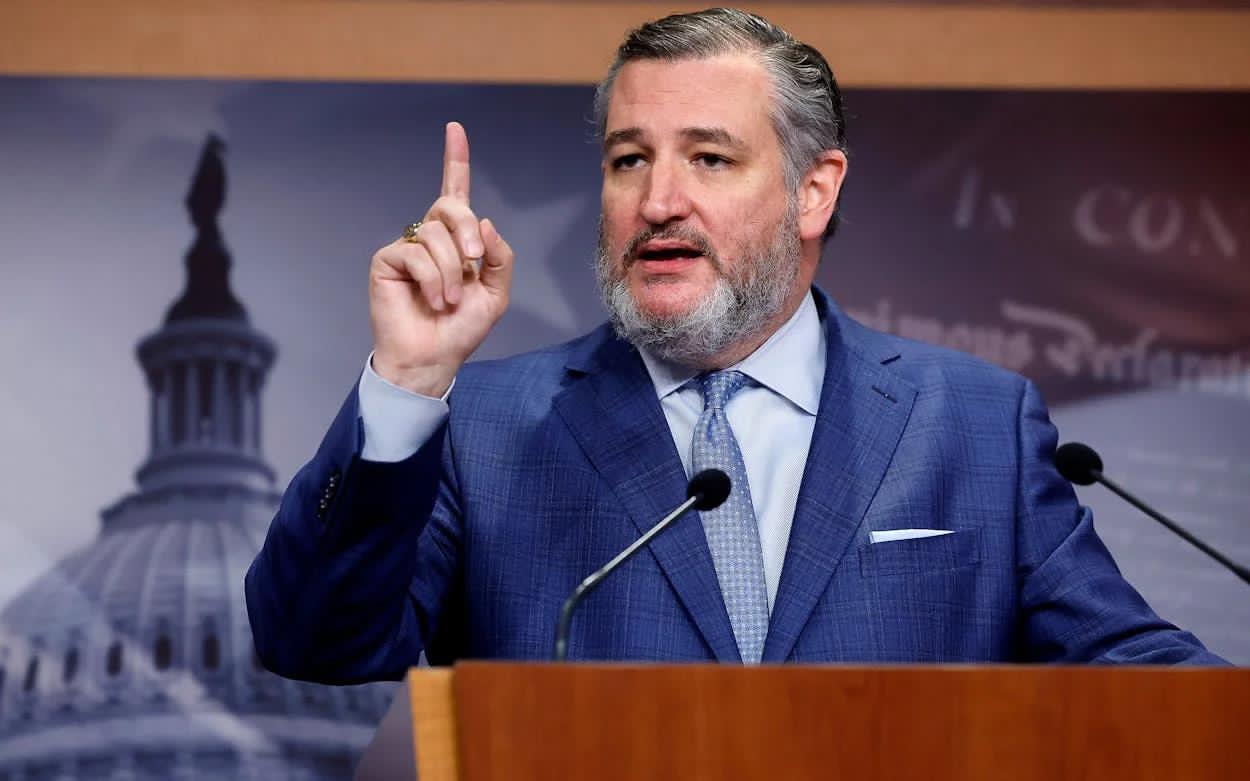
In a pointed exchange, Ted Cruz pressed State Department officials on reported areas of cooperation, citing concerns over weapons transfers, logistical support channels, and intelligence-sharing frameworks potentially tied to groups such as Hezbollah and the Islamic Revolutionary Guard Corps (IRGC). Beyond rhetoric, Cruz signaled his intent to pursue legislative measures that would compel a firmer executive response should evidence of such links be substantiated.
The response from State Department official Monica Jacobsen was measured but notable. Rather than dismissing the concerns, she acknowledged and “commended” efforts to bring greater visibility to the issue—an indication that the matter is being taken seriously within diplomatic and intelligence frameworks. Her remarks subtly reinforced the growing awareness in Washington of the region’s vulnerabilities, particularly where non-state actors operate near transnational trafficking corridors across the Sahel.
For observers across African capitals, the implications are significant. The intersection of insurgency, illicit trade routes, and potential external influence underscores the fragility of security architectures in the region. The Senate hearing, while not conclusive, signals a shift toward heightened U.S. vigilance over both Atlantic and Saharan security fronts—areas increasingly viewed as critical to broader counterterrorism strategy.
As geopolitical competition intensifies, the focus on non-state actors and their alleged external linkages is likely to remain a defining feature of U.S. engagement in Africa, with policy responses expected to evolve accordingly.
Join the Savid News channel on WhatsApp:


