
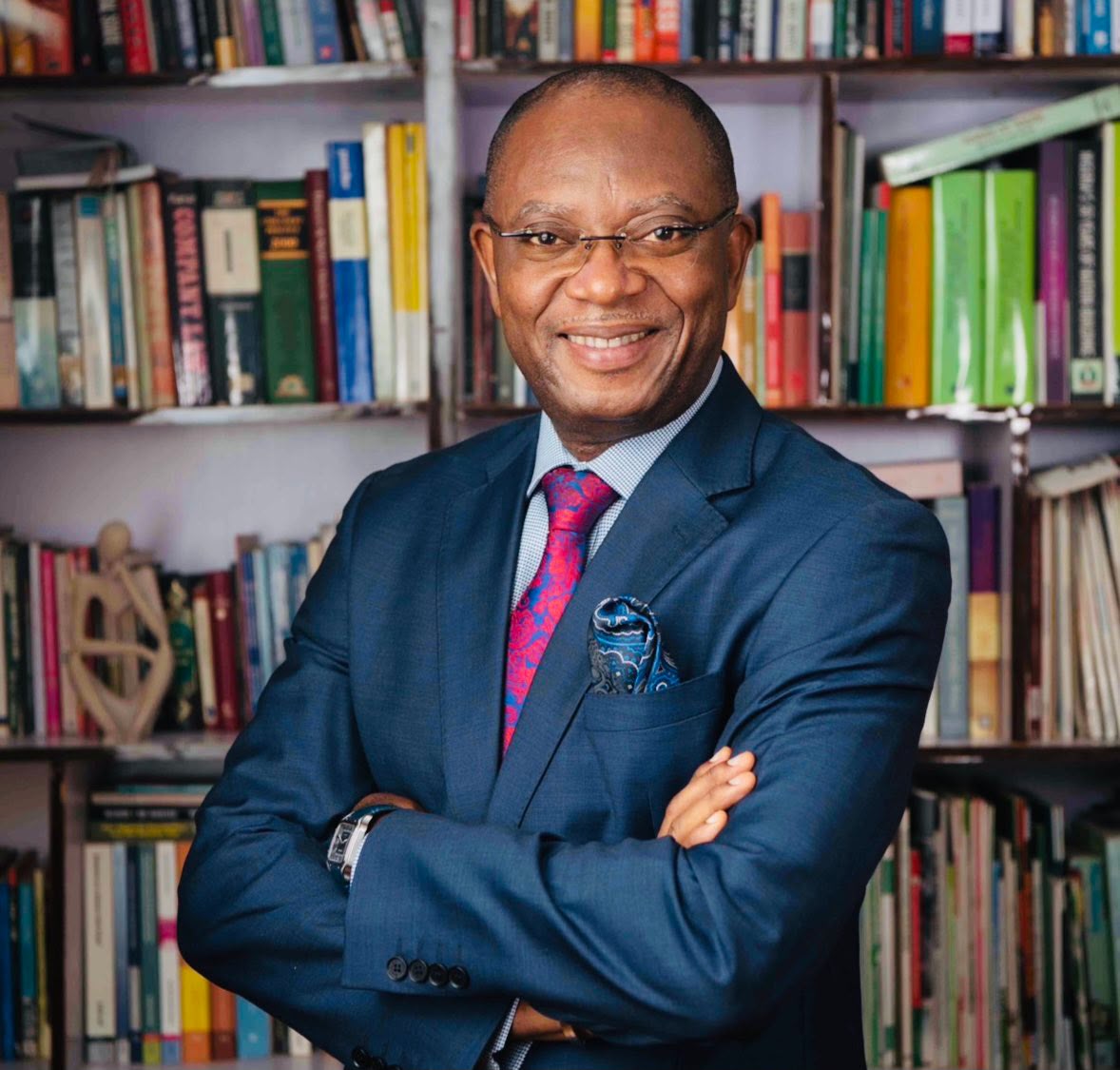
Finally, FIFA names Ebomhe, Enakhena, Amokachi, three others to NFF Normalisation Committee
World football governing body FIFA has named respected lawyer Sampson Ebomhe as Chairman of a five-member Normalisation Committee appointed to oversee the affairs of the Nigeria Football Federation (NFF) and implement far-reaching reforms in Nigerian football.
Also appointed to the committee are renowned sports journalist and administrator Godwin Enakhena, former Super Eagles captain and two-time FIFA World Cup star Daniel Amokachi, Ms Amina Yerima and Dr Joe Abah.
The appointments were communicated in a letter dated Wednesday, November 18, 2026, signed by FIFA Chief Member Associations Officer Elkhan Mammadov and addressed to the NFF.
According to the communication, the committee members are expected to assume their responsibilities with immediate effect, subject to eligibility checks by the FIFA Review Committee in accordance with the FIFA Governance Regulations.
Their confirmation will depend on the outcome of the eligibility process.
FIFA also made it clear that none of the committee members would be eligible to contest any position in the forthcoming NFF elections under any circumstances.
The restriction will remain applicable even if a member’s mandate is revoked or the individual voluntarily resigns from the committee.
Five key responsibilities
FIFA has given the committee a mandate to manage the daily affairs of the NFF while undertaking institutional and administrative reforms aimed at strengthening the governance of Nigerian football.
One of its principal responsibilities is to review the NFF Statutes, with particular emphasis on increasing stakeholder representation, creating a more inclusive composition of the Executive Committee and reducing the number of members on the federation’s board.
The committee is also expected to work with FIFA and the Confederation of African Football (CAF) administrations to determine whether certain provisions of the NFF Electoral Code require review to strengthen good governance and improve electoral practices.
Another major responsibility is to develop a detailed proposal for implementing additional governance reforms across the NFF, state football associations, leagues and other relevant football stakeholders.
The reforms are expected to be supervised by the new NFF leadership following the completion of the normalisation process.
The committee will also ensure that elections into the NFF leadership are conducted under a revised statutory framework and supervised by the federation’s electoral committees.
May 31, 2027 deadline
FIFA has stipulated that the committee’s mandate will end once it has completed its assigned responsibilities, but no later than May 31, 2027.
The deadline provides a clear timeline for the proposed administrative reforms and the transition to a newly elected NFF leadership.
In its communication, FIFA also invited the current NFF administration to extend full cooperation to the committee members to enable them to discharge their responsibilities effectively.
The appointment follows the October 22 decision by the Bureau of the FIFA Council to establish a Normalisation Committee for Nigeria after the resignation of the previous NFF leadership.
The NFF had subsequently confirmed FIFA’s decision to establish the temporary administrative structure pending fresh elections into its Executive Committee.
A new chapter for Nigerian football
The appointment represents a significant intervention in the administration of Nigerian football, with the committee expected to address structural and governance concerns that have featured prominently in discussions about the future of the game.
Beyond managing the federation’s daily operations, the committee has been entrusted with the responsibility of reviewing the existing administrative and electoral framework to create a more inclusive and accountable football structure.
The inclusion of Enakhena, a respected journalist and sports administrator, and Amokachi, a former national team captain, brings media, administrative and football experience into the five-member team.
With Ebomhe leading the committee, attention will now turn to the implementation of FIFA’s reform agenda, the review of the NFF’s governance structure and the organisation of fresh elections before the expiration of its mandate.
The success of the intervention will ultimately be measured by its ability to establish a credible transition framework and lay the foundation for a more transparent, inclusive and sustainable administration of Nigerian football.


