
NIS, NSC at odds over 200-Bed Hostel at MKO Abiola National Stadium
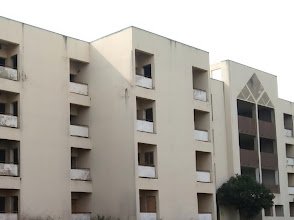
The National Institute for Sports (NIS) and the National Sports Commission (NSC) are facing questions over the ownership, control and intended utilisation of a 200-bed athletes’ hostel located within the Package B section of the Moshood Abiola National Stadium, Abuja.
The issue has emerged against the backdrop of the Federal Government’s renewed drive to rehabilitate and reposition the national stadium complex, with the NSC announcing plans to redevelop the facility into a hotel as part of a wider sports infrastructure upgrade.
In May 2026, the Federal Government, through the NSC, approved the redevelopment and completion of the 200-bed athletes’ hostel into a hotel complex designed to accommodate athletes and members of the public while generating sustainable revenue for sports infrastructure.
However, the NIS has publicly identified the facility as its 200-bed athletes’ and coaches’ hostel and linked its planned renovation directly to the institute’s responsibilities for training athletes, coaches, sports administrators and technical personnel.
NIS Director-General, Philip Shaibu, welcomed the Federal Government’s infrastructure approvals in June but specifically described the facility as the “NIS 200-bed athletes/coaches hostel” at Package B of the Moshood Abiola National Stadium.
Shaibu said the renovation would significantly improve the institute’s operations and provide a more suitable environment for training programmes involving athletes, coaches and other sports personnel.
The differing descriptions have brought renewed attention to the institutional status of the facility and raised questions about who ultimately exercises ownership and management authority over the property.
The history of the hostel also adds another layer to the matter. In September 2020, the Infrastructure Concession Regulatory Commission (ICRC) published a Request for Qualification for the concession of the Athletes’ Hostel, Abuja, describing it as a Federal Government facility within the Abuja Stadium Package B Complex.
According to the ICRC document, the Federal Government, through the then Federal Ministry of Youth and Sports Development, intended to transform the hostel into a world-class facility providing accommodation for athletes and ancillary commercial activities through a public-private partnership arrangement.
The proposed PPP process was to involve a two-stage procurement procedure, with qualified private-sector developers invited to participate in the redevelopment and management of the facility.
The historical concession process therefore makes the present situation more significant, particularly as the Federal Government embarks on a fresh programme of investment in the stadium complex.
The NSC’s current infrastructure programme extends beyond the hostel. The first phase includes rehabilitation of the main stadium pitch and tracks, upgrades to dressing rooms and media facilities, improvements to medical infrastructure and training pitches, as well as the establishment of a High Performance Centre.
The Commission has also approved rehabilitation of the swimming pool and other facilities within Package B, while the hostel redevelopment is intended to create a revenue-generating accommodation facility within the national stadium complex.
The ownership and management question is consequently important because any redevelopment, concession or commercialisation of a public sports asset requires clarity regarding the legal status of the property and the respective responsibilities of the institutions involved.
It is also noteworthy that the Federal Government is pursuing several separate projects within Package B. The Nigeria Football Federation, for instance, is developing an NFF-FIFA Players’ Hostel and new training pitches at another section of the complex. The NFF says the 68-room facility is located opposite its Secretariat and is being developed with FIFA funds.
The broader history of the stadium is equally clear on federal ownership. The Bureau of Public Enterprises has previously stated that the Federal Government owns 100 per cent equity in the Abuja National Stadium, although the complex was slated for concession as part of an earlier privatisation framework.
Against this background, stakeholders are likely to seek clarification on the precise institutional rights attached to the 200-bed hostel, particularly any previous agreements, concessions or administrative arrangements involving the NIS, sports authorities and prospective private-sector operators.
For the NIS, the facility is directly connected to its statutory training and athlete-development responsibilities. For the NSC, the current infrastructure plan places the hostel within a wider strategy to modernise sports facilities and develop revenue streams capable of supporting their long-term maintenance.
The issue therefore goes beyond the proposed conversion of a hostel into a hotel. It raises broader questions about the administration, utilisation and commercial management of public sports assets.
As rehabilitation work gathers momentum at the Moshood Abiola National Stadium, stakeholders will be watching for clarification from the relevant authorities on the legal and administrative status of the facility and how the interests of the NIS, NSC and the wider Federal Government will be reconciled.
A clear framework on ownership, management and utilisation would provide certainty for the redevelopment project while helping to prevent institutional overlap in the management of one of Nigeria’s most important sports infrastructure assets.


