
Nigeria Abolishes Teaching of Indigenous Languages in Schools
ABUJA — The Federal Government has officially scrapped the policy mandating the use of indigenous languages as a medium of instruction in Nigerian schools.
Minister of Education, Dr. Tunji Alausa, announced the decision at the 2025 Language in Education International Conference organised by the British Council in Abuja. He disclosed that the resolution was approved during the 69th meeting of the National Council on Education held in Akure, Ondo State, from November 3 to 7.
The now-defunct National Language Policy, introduced in 2022, required that children from early childhood education to primary six be taught in their mother tongue or the language of their immediate community.
However, Dr. Alausa said the Federal Government decided to discontinue the policy after reviewing its impact on educational outcomes across the country.
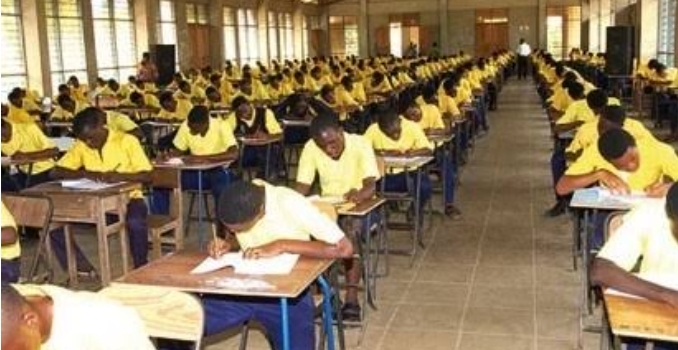
“We have seen a mass failure rate in WAEC, NECO, and JAMB in certain geo-political zones of the country, and those are the ones that adopted the mother tongue in an oversubscribed manner,” he stated.
“This is about evidence-based governance. English now stands as the medium of instruction from pre-primary, primary, junior secondary, senior secondary, and tertiary education.”
The minister further argued that the use of indigenous languages over the past 15 years had adversely affected learning in some regions.
“Using the mother tongue language in Nigeria for the past 15 years has literally destroyed education in certain regions. We have to talk about evidence, not emotions,” he said.
The decision has reignited debate among education stakeholders. Proponents of indigenous language instruction have long argued that teaching in local languages enhances comprehension and preserves cultural identity—an approach successfully implemented in countries such as China and Russia.


