
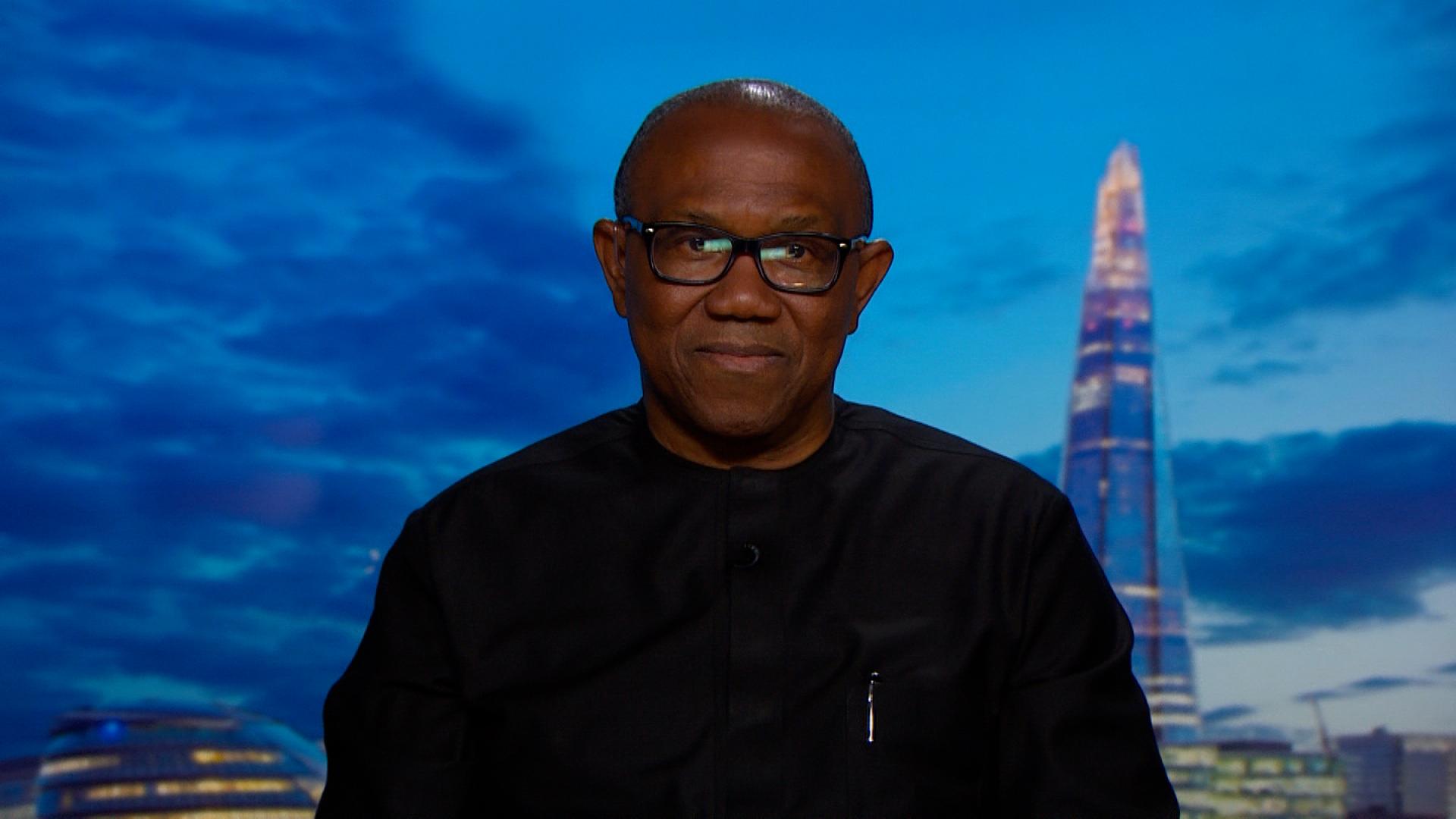
Peter Obi Announces Exit from ADC, Cites Internal Crisis and Toxic Political Climate
Former presidential candidate Peter Obi has announced his decision to leave the African Democratic Congress (ADC), citing deepening internal crises and a toxic political environment as key reasons for his exit—amid growing speculation of a potential new political alignment.
In a reflective statement released on Sunday, Obi said his decision was not driven by personal grievances against party leaders but by broader systemic challenges that continue to undermine effective political engagement in Nigeria.
“I woke up this morning after my church service with a deeply reflective heart… many people do not truly understand the silent pains some of us carry daily,” he stated, describing the emotional and psychological pressures faced by public figures striving to serve with integrity.
Obi emphasized that his departure from the party was not due to any mistreatment by ADC leadership, specifically acknowledging David Mark and Atiku Abubakar, whom he praised for their respect and leadership.
“Let me state clearly: my decision to leave the ADC is not because our highly respected Chairman… or any other respected leaders did anything personally wrong to me,” he clarified.
Concerns Over Internal Party Crisis
The former Anambra State governor expressed concern that the same political interference and instability that affected his time in the Labour Party are now surfacing within the ADC. He pointed to ongoing court cases, internal disputes, and rising divisions within the party structure.
According to Obi, such distractions have shifted focus away from addressing Nigeria’s pressing national issues, replacing service-driven politics with power struggles and exclusion.
His announcement has also fueled ongoing political speculation, with observers linking his next move to a possible alignment with Rabiu Kwankwaso under a proposed National Democratic Congress (NDC). While no official confirmation has been made, the rumoured coalition is already generating conversations across Nigeria’s political landscape.
Criticism of Nigeria’s Political Environment
Obi used the statement to highlight what he described as a deteriorating national environment, where integrity, humility, and fairness are often misunderstood or undervalued.
He lamented that leadership rooted in service is frequently misinterpreted as weakness, while efforts to manage resources responsibly are criticized unfairly. He also decried insecurity, economic hardship, and societal pressures that continue to weigh heavily on ordinary Nigerians.
“We now live in an environment that has become increasingly toxic… where intimidation, insecurity, endless scrutiny, and discouragement have become normal,” he said.
Commitment to National Development
Despite his resignation, Obi reaffirmed his commitment to Nigeria’s progress, stressing that his ambition is not tied to political office but to national transformation.
“I am not desperate to be President, Vice President, or Senate President. I am desperate to see a society that can console a mother whose child has been kidnapped… a Nigeria where citizens do not go to bed hungry,” he declared.
He concluded on a hopeful note, reiterating his long-standing message of optimism: “A new Nigeria is possible.”
Obi’s exit from the ADC marks a significant development in Nigeria’s evolving political landscape, with potential realignments already taking shape ahead of future elections.


