
Labour Warns of Massive Job Losses as Senate-Backed Alcohol Ban Triggers Sector-Wide Anxiety
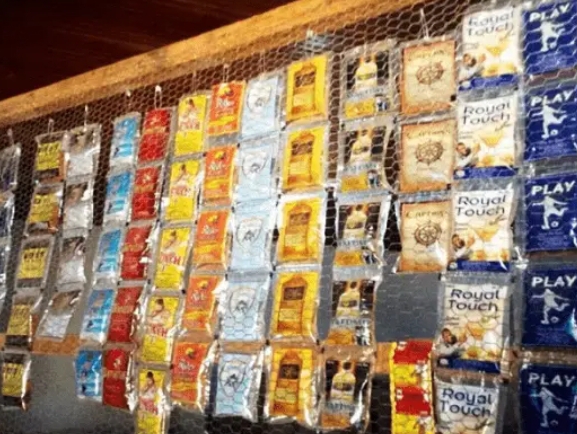
The Organised Labour in the food and beverage sector has raised alarm over the Senate’s directive to the National Agency for Food and Drug Administration and Control (NAFDAC) to enforce a nationwide ban on alcoholic beverages in sachets and PET/glass bottles below 200ml by December 31, 2025.
Under the Food, Beverage and Tobacco Senior Staff Association (FOBTOB), labour leaders said the directive poses severe socioeconomic risks, threatening millions of jobs and endangering local manufacturing already weakened by rising production costs.
Addressing journalists in Lagos, FOBTOB President, Jimoh Oyibo, said workers across the sector are “gripped by fear” as the implications of the planned ban would be “far-reaching, devastating and irreversible.”
He recalled that NAFDAC attempted a similar ban last year but was forced to suspend it after labour protests and a House of Representatives Public Hearing. The engagement, he said, led to an agreement that NAFDAC would consult manufacturers and review its approach. The Ministry of Health later granted a one-year extension for the development of a comprehensive National Alcohol Policy, which was validated in October 2025 with NAFDAC’s participation.
“It is troubling that the same NAFDAC has now approached the Senate, resulting in a unilateral directive that did not follow due process nor grant stakeholders a fair hearing,” Oyibo said.
FOBTOB estimates that the ban could jeopardize more than 500,000 direct jobs and five million indirect jobs, including those of farmers, distributors, marketers, and transporters. The association further warned that nearly N2 trillion in investments in machinery and raw materials could be wiped out, while the collapse of indigenous manufacturers could discourage future investments and fuel the smuggling of unregulated alcoholic products.
According to the union, a decline in government revenue is also likely as affected factories may shut down or reduce operations. “With rising unemployment and no safety nets, this ban will plunge families into poverty. The very children the policy claims to protect may be forced out of school if their parents lose their jobs,” Oyibo added.
FOBTOB urged the Senate to withdraw the directive and convene an inclusive Public Hearing to consider inputs from manufacturers, labour unions, regulators, and public-health experts. It also called on lawmakers to adopt the validated National Alcohol Policy, which emphasizes regulated sales, strengthened enforcement, public awareness, and school-based enlightenment rather than outright prohibition.
Oyibo said the union supports adherence to safety and quality standards but insisted that government policies must not cripple legitimate businesses. “As the saying goes, the mother hen must live to raise her chicks. Employers should be supported, not forced out of business,” he said.
With the December 2025 deadline approaching, uncertainty continues to spread across the food and beverage sector as stakeholders warn the policy could deepen unemployment and worsen the nation’s fragile economic climate


