
NPFL Sets New African Benchmark as ₦1 Billion Prize Money Signals Major Transformation
The Nigeria Premier Football League (NPFL) is poised for a historic transformation following the approval of far-reaching reforms by the National Sports Commission (NSC) and the Nigeria Football Federation (NFF), a move expected to elevate the country's top-flight competition to unprecedented levels.
At the heart of the reforms is a groundbreaking prize-money structure that will make the NPFL one of the most lucrative domestic leagues in Africa. According to NSC Chairman Mallam Shehu Dikko, the new framework guarantees a minimum prize of ₦1 billion for the league champions, representing a dramatic increase from the ₦150 million to ₦200 million previously awarded to title winners.
The ambitious financial package extends beyond the champions. Under the proposed structure, the runners-up will receive ₦500 million, while the third-placed team will earn ₦300 million. Overall, a total prize pool of approximately ₦2.5 billion will be distributed among clubs, ensuring broader financial rewards across the league standings.
The reforms are also designed to improve player welfare significantly. For the first time, NPFL clubs will be required to pay a minimum monthly salary of ₦2 million to players, a development aimed at enhancing professionalism, improving living standards, and discouraging the migration of talented Nigerian footballers to lower-tier foreign leagues.
Another major pillar of the reform package is enhanced television coverage. Through a partnership involving Inview Technologies and Nigeria's Digital Switch Over (DSO) platform, NPFL matches will be broadcast on a dedicated free-to-air channel. The initiative will leverage NigComSat and multiple state television networks, providing millions of football fans across the country with greater access to domestic league action.
Infrastructure and operational standards are also set for an upgrade. Clubs will be required to meet stricter licensing conditions, including the installation of standard floodlights, reliable backup power systems, improved dressing rooms, and enhanced spectator facilities.
League organisers have also vowed to strengthen disciplinary measures, with clubs facing severe sanctions, including points deductions, for crowd violence, hooliganism, and security breaches. Refereeing standards are expected to improve further following the introduction of communication headsets for match officials and plans for the gradual implementation of Video Assistant Referee (VAR) technology.
The financial overhaul has propelled the NPFL into the upper echelon of African football leagues in terms of prize money.
With a championship reward of ₦1 billion—estimated at approximately $730,000—the NPFL now boasts the second-highest title prize on the continent, behind only South Africa's Betway Premiership.
The new figure surpasses the rewards offered in several of Africa's traditionally stronger leagues. Morocco's Botola Pro champions reportedly receive between $600,000 and $640,000, while winners of the Egyptian Premier League earn around $500,000. Tanzania's Ligi Kuu Bara champions take home approximately $240,000 to $250,000.
While the NPFL's prize package now compares favourably with the continent's elite competitions, clubs such as Al Ahly, Zamalek and Mamelodi Sundowns still maintain significantly larger operating budgets and wage structures than most Nigerian clubs.
Nevertheless, the reforms represent a major step toward bridging that gap and strengthening the commercial appeal of Nigerian football.
The reforms come as the league prepares for a highly anticipated new season that promises increased competitiveness and professionalism.
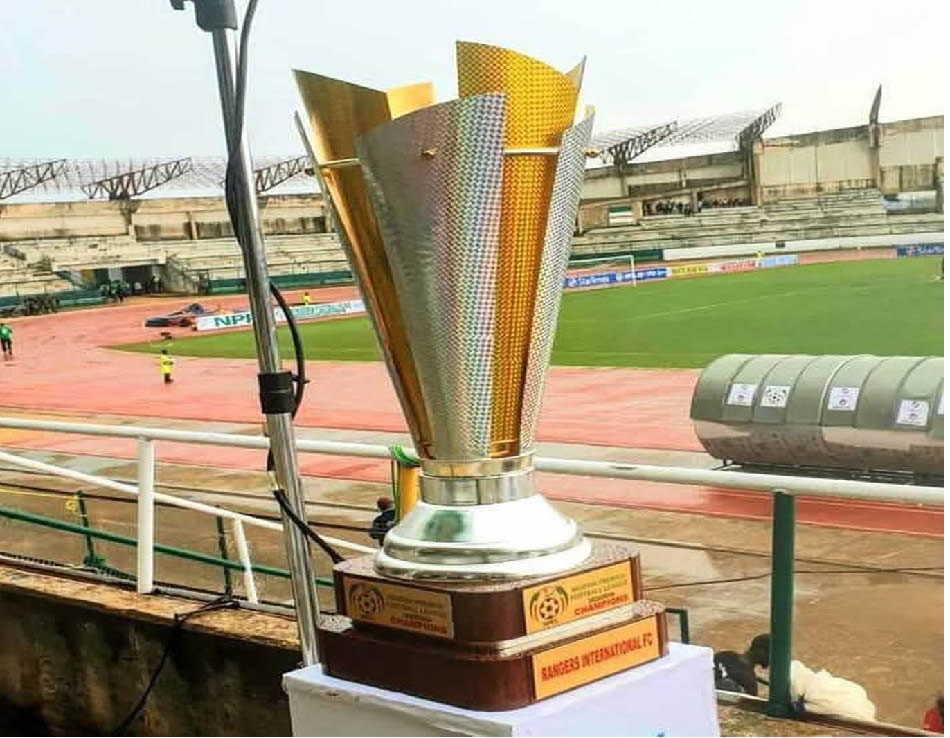
Defending champions Enugu Rangers will begin the campaign seeking to retain the title they secured after edging Ikorodu City 2-1 on the final day of last season to finish one point ahead of Rivers United.
The upcoming season will also feature four newly promoted sides from the Nigeria National League. Sporting Lagos, Inter Lagos, Doma United and Ranchers Bees—owned by Super Eagles forward Umar Sadiq—have all earned promotion and will be looking to make an immediate impact in the top flight.
If successfully implemented, the reforms could mark a turning point for Nigerian football, positioning the NPFL as one of Africa's most attractive leagues for players, investors, broadcasters and supporters alike.


