
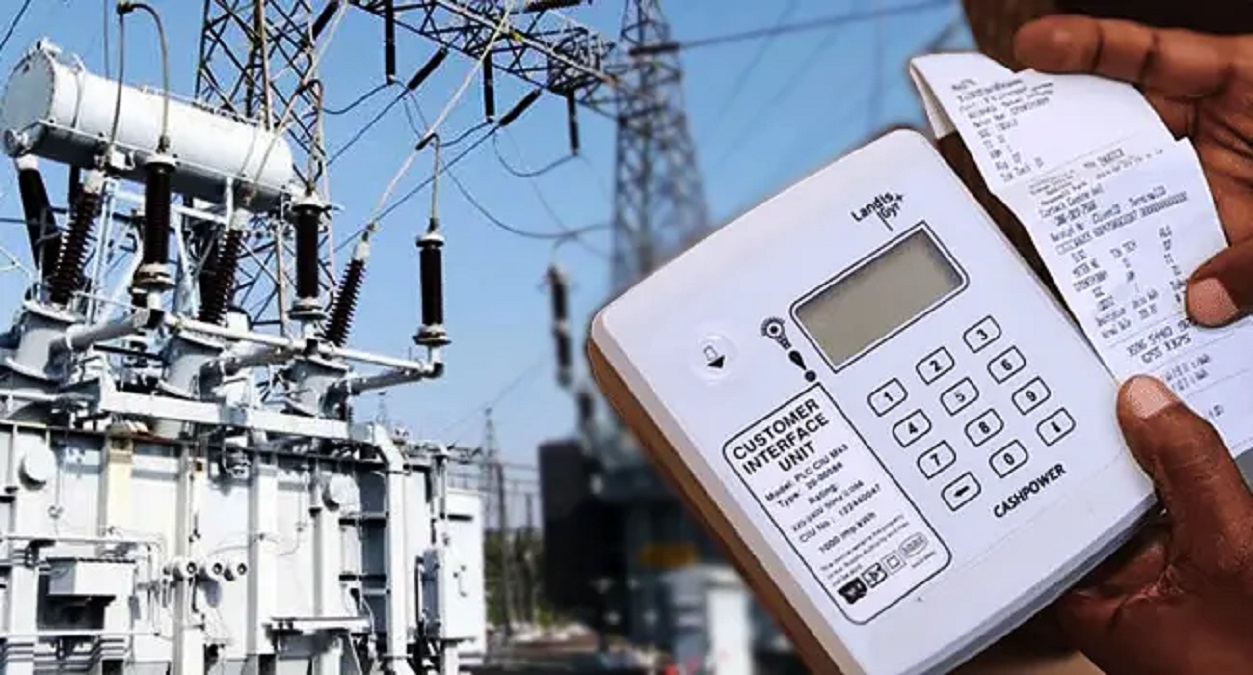
Nigeria Plans New Electricity Tariff Hike Amid Subsidy Adjustments
The Nigerian government has announced plans to raise electricity tariffs "over the next few months," as part of efforts to make tariffs more cost-reflective.
However, the government emphasized that this increase would be balanced by subsidies for lower-income electricity consumers.
The announcement was made by Olu Verheijen, the Special Adviser to President Bola Tinubu on Energy, during the Africa Heads of State Energy Summit in Dar es Salaam, Tanzania. At the summit, Nigeria also presented a $32 billion plan to expand electricity connections across the country by 2030.
The tariff hike comes in response to mounting pressure from Nigeria's debt-laden electricity distribution companies, which are calling for tariffs to better reflect the cost of providing power. In 2024, the federal government approved a significant tariff increase for Band A customers, which saw electricity rates rise by 300% from N68 KWh to N225 KWh. This increase affected around 15% of Nigeria’s electricity consumers.
However, following public backlash, the tariff has since been reduced to N209.50 KWh. The latest plan involves a further shift towards a more sustainable tariff structure that aims to attract private investment, while still offering protections for poorer and more vulnerable Nigerians.
Despite the anticipated tariff hike, some consumer rights advocates are skeptical about its impact on service quality. Kunle Olubiyo, President of the Nigeria Consumer Protection Network, argued that tariff increases would not necessarily lead to improved electricity service delivery.
Olubiyo pointed out that electricity tariffs in Nigeria have already risen by over 500% since the sector was privatized, yet the country still struggles with unreliable power supply. He stated, "Even if electricity tariffs increase to N1,000 per kilowatt-hour, it won’t guarantee better service or more hours of electricity. The inefficiency in the sector remains a major concern."
Olubiyo emphasized that Nigeria’s power grid still struggles to meet the needs of the population, with the country generating less than 6,000 megawatts of electricity, which is insufficient. He also noted that technical issues like grid collapses and line tripping have become all too familiar to Nigerians, an issue that should not be a part of the electricity generation process.
Adetayo Adegbemle, Convener of Powerup, suggested that the government's move to raise electricity tariffs is an indication that the federal government can no longer afford to continue paying blanket subsidies for electricity consumption. He described the tariff adjustment as a "right pricing" of electricity rather than a traditional tariff hike.
Adegbemle explained, "The government is no longer in a position to foot the bill for electricity subsidies. What they are saying now is that they will provide support for the first 50 kilowatts of electricity consumed per month, but anything beyond that will be charged at full cost."
This adjustment comes as part of the government’s broader strategy to make the electricity sector financially sustainable while offering some relief to vulnerable households.
As the government moves forward with the proposed changes, Nigerians can expect higher electricity bills in the coming months, with the promise of targeted subsidies aimed at mitigating the impact on lower-income consumers. However, whether these measures will result in better electricity service remains to be seen.


