
IOC unveils selection roadmap for 2036 Olympic Games host, sets October 31 deadline
The International Olympic Committee (IOC) has unveiled the next steps in the selection process for the host of the 2036 Olympic Games, publishing a handbook outlining the requirements and pathway for interested parties seeking to organise the global sporting event.
The handbook details the stages of the selection process and the conditions prospective hosts must meet to progress towards the final election.
The principles guiding the process were approved by the IOC Executive Board and endorsed by the 146th IOC Session in Lausanne in June 2026 as part of the Olympic Movement’s “Fit for the Future” reforms.
According to the IOC, projects will be assessed against several technical criteria, including venue masterplans, athlete experience, funding strategies, political and public support, Games delivery capabilities and legacy plans designed to generate long-term benefits for host communities.
The evaluation will also consider strategic factors, such as each candidate’s vision for the Games and how its plans align with local development priorities and the broader objectives of the Olympic Movement.
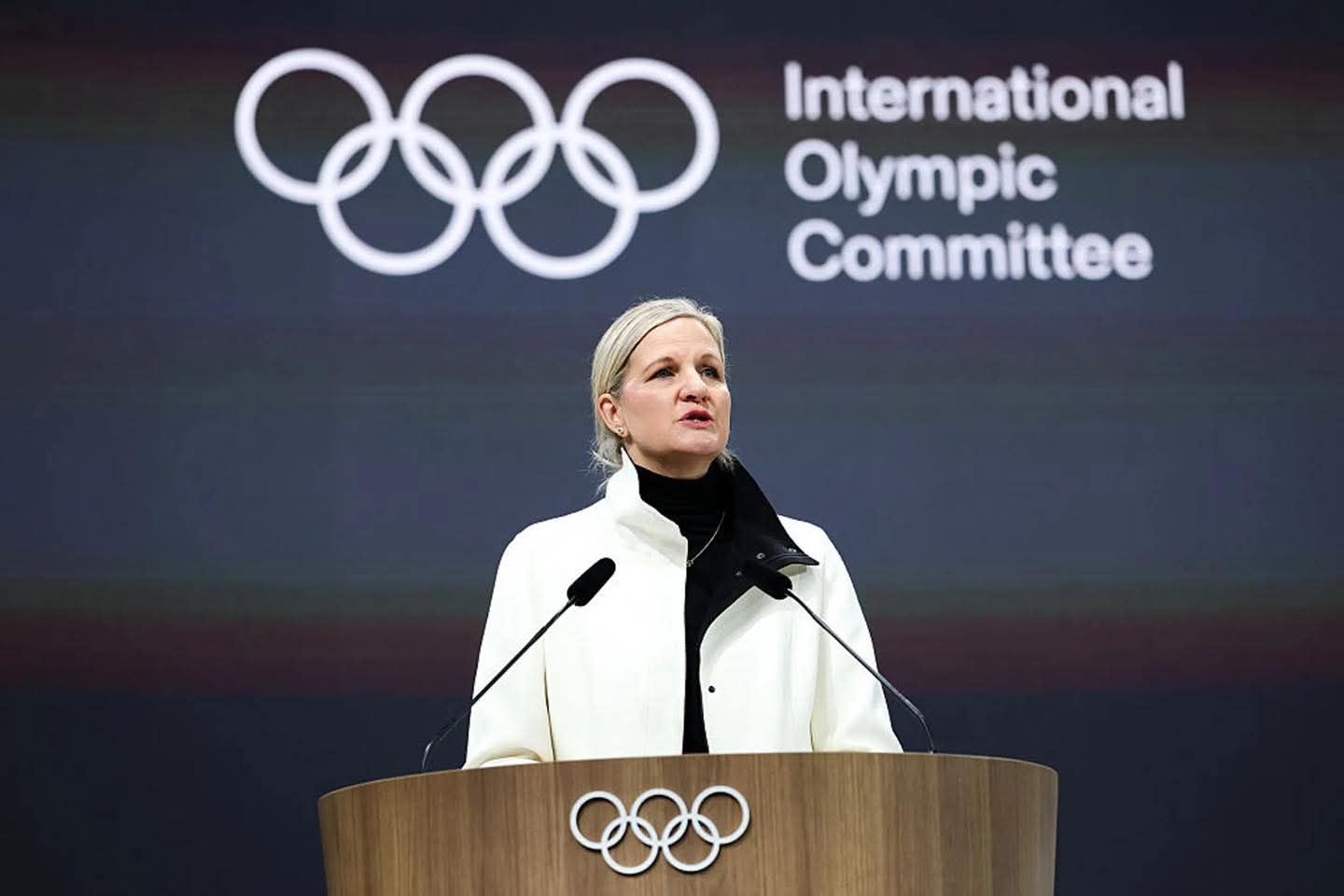
IOC President Kirsty Coventry stressed that athletes must remain central to the selection process, drawing on her experience of competing at five Olympic Games across four continents.
“I was fortunate to compete at five Olympic Games, across four continents. Each had their own character,” Coventry said.
“Each host brought something unique through its people, its culture and the way it chose to stage the Games. But wherever the Games take place, one thing must never change: athletes have to be at the heart of everything we do.
“As an athlete, you spend years working to make your Olympic dream come true. The experience you have when you finally reach the Olympic Games stays with you for the rest of your life. That is why, for every future host, delivering the best possible experience for the athletes must always be the starting point.”
The updated selection framework builds on the dialogue-based approach introduced in 2019 and overseen by the IOC’s Future Host Commission.
Interest in hosting future Olympic and Paralympic Games has remained strong, partly due to the reported successes and long-term impact of recent editions. Paris 2024, for instance, is estimated to generate a net contribution of between €9 billion and €11 billion to the Île-de-France economy by 2034, while also leaving a lasting impact on communities in Paris and across France.
The IOC said it is currently engaged in Continuous Dialogue with several National Olympic Committees (NOCs) and their partners, some of whom have spent months or years developing their proposed Games plans and visions.
As part of the process, the committee has conducted virtual technical workshops to help interested parties refine their venue masterplans, funding strategies, overall vision, projected impact and legacy plans.
Their proposals are undergoing technical evaluation by the IOC, supported by independent reports and public opinion polling.
The interested parties currently participating in Continuous Dialogue with a stated interest in hosting the 2036 Olympic Games are Germany, Hungary, India, Qatar, the Republic of Korea, South Africa and Türkiye.
The countries are listed in alphabetical order. The IOC also confirmed that several other National Olympic Committees are involved in noncommittal discussions about hosting Olympic Games beyond 2036.
The interested parties have been invited to present their projects to the Future Host Commission in November.
However, the IOC has established October 31, 2026, as the deadline for additional interested parties to enter the process for the 2036 edition. After that date, no new parties will be considered for hosting the Games.
The selection process is intended to help the IOC identify a host with a credible delivery plan, strong support, a compelling vision and a sustainable legacy, while ensuring that the Olympic experience for athletes remains the foremost priority.


