
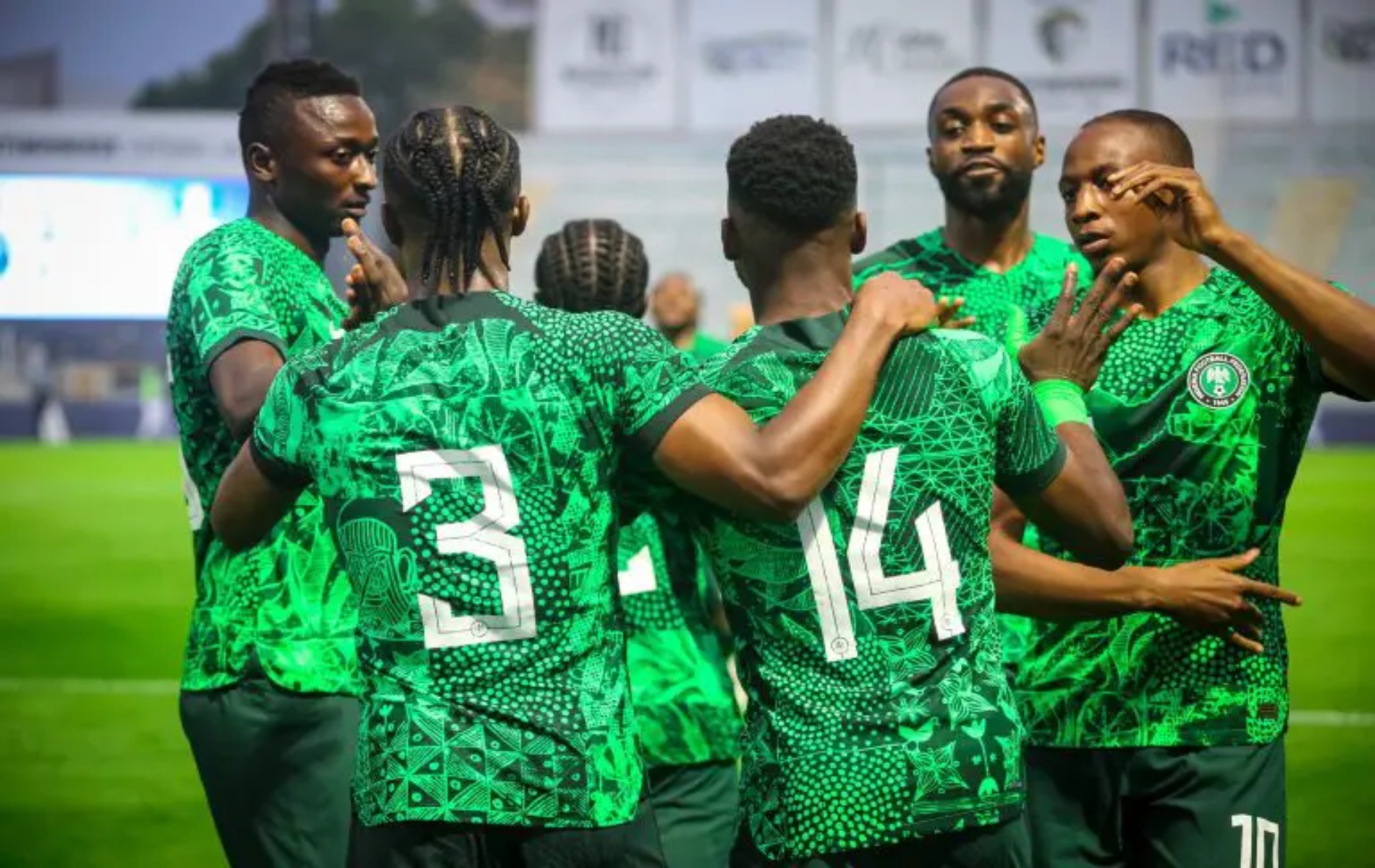
FCT FA Boss Pushes for Sports Tax, Laments Super Eagles’ World Cup Absence
Chairman of the FCT Football Association, Adam Mouktar Mohammed, has called for the introduction of a dedicated sports tax policy to address the persistent funding challenges affecting sports development in Nigeria.
Speaking during a media parley with sports journalists at the Old Parade Ground in Abuja on Thursday, Mohammed said sports development remains highly capital intensive and requires a sustainable funding structure beyond government allocations.
He proposed the establishment of a sports development tax fund similar to the education tax system, where multinational companies and corporate organisations would contribute a percentage of their earnings toward sports development.
According to him, such a policy would significantly improve infrastructure development and overall growth of sports in the country.
“Funding sports is capital intensive and until a tax policy is put in place whereby multinational and corporate organisations contribute a fraction to sports, we may not witness meaningful and rapid infrastructural sports development in the country,” he said.
The 2025 Blueprint Sports Icon of the Year also expressed disappointment over the failure of the Super Eagles to qualify for the 2026 FIFA World Cup to be hosted by the United States, Canada and Mexico.
“I’m worried that Nigeria is not at the World Cup. It’s not a good omen. I don’t think I can go to the US for the World Cup,” Mohammed stated.
“Football is a soft strategic diplomatic tool that nations are using to showcase a lot of their positivity globally. We must get it right for the next World Cup.”
Mohammed highlighted some of the achievements recorded under his administration, noting that the FCT has made significant progress in organising football competitions and attracting major Nigerian clubs such as Enyimba FC, Rangers International FC and Kano Pillars to participate in tournaments within the territory.
He added that many elite clubs now prefer camping in Bwari due to the conducive environment provided in the FCT.
The FCT FA chairman noted that while the FCT league system has remained stable and competitive, many clubs still struggle to gain promotion to the Nigeria Premier Football League because of financial limitations and structural challenges.
According to him, sustainability remains the biggest issue confronting football clubs in the territory.
“The challenge is not talent. The problem is sustainability because many teams lack sponsorship, long-term planning and strong professional management structures,” he explained.
Mohammed also voiced concern over the deteriorating state of sports infrastructure in the FCT, warning that the shortage of functional playing pitches and the abandonment of facilities are negatively affecting grassroots sports development.
He stressed the need to protect existing sports facilities from encroachment and conversion into commercial properties, noting that several school and community pitches are rapidly disappearing.
Without adequate infrastructure, he warned, Nigeria may continue to struggle in producing consistent talents capable of excelling at national and international levels.
Mohammed further reaffirmed the FCT FA’s working relationship with the Nigeria Football Federation, particularly in hosting league matches, Federation Cup games and supporting national team programmes.


